Costa Rica’s world-famous coffee industry is facing an unusual challenge this harvest season: finding enough people willing to pick the beans.
Only 60 Costa Ricans have expressed interest in working in this year’s coffee harvest, according to information released by the Coffee Institute of Costa Rica, known as ICAFE.

The surprisingly small number represents only about 1% of the workforce currently needed to complete harvesting operations across the country.
Thousands of workers are needed
Coffee remains one of Costa Rica’s most recognizable agricultural products, but harvesting the crop requires thousands of workers during a relatively short period.
With local participation extremely low, the industry has increasingly relied on migrant workers to fill the gap.
Around 6,000 workers have already entered Costa Rica through the southern border.
The situation highlights how dependent the country’s coffee sector has become on seasonal foreign labor.
Harvest reaches key producing regions
Coffee harvesting is already underway in several parts of Costa Rica.
One of the areas currently experiencing intense harvesting activity is Coto Brus, an important coffee-producing region near the Panamanian border.
As coffee cherries reach maturity, producers have a limited window to collect the crop, making the availability of workers especially important.
A shortage of pickers can create delays and potentially leave ripe coffee uncollected.
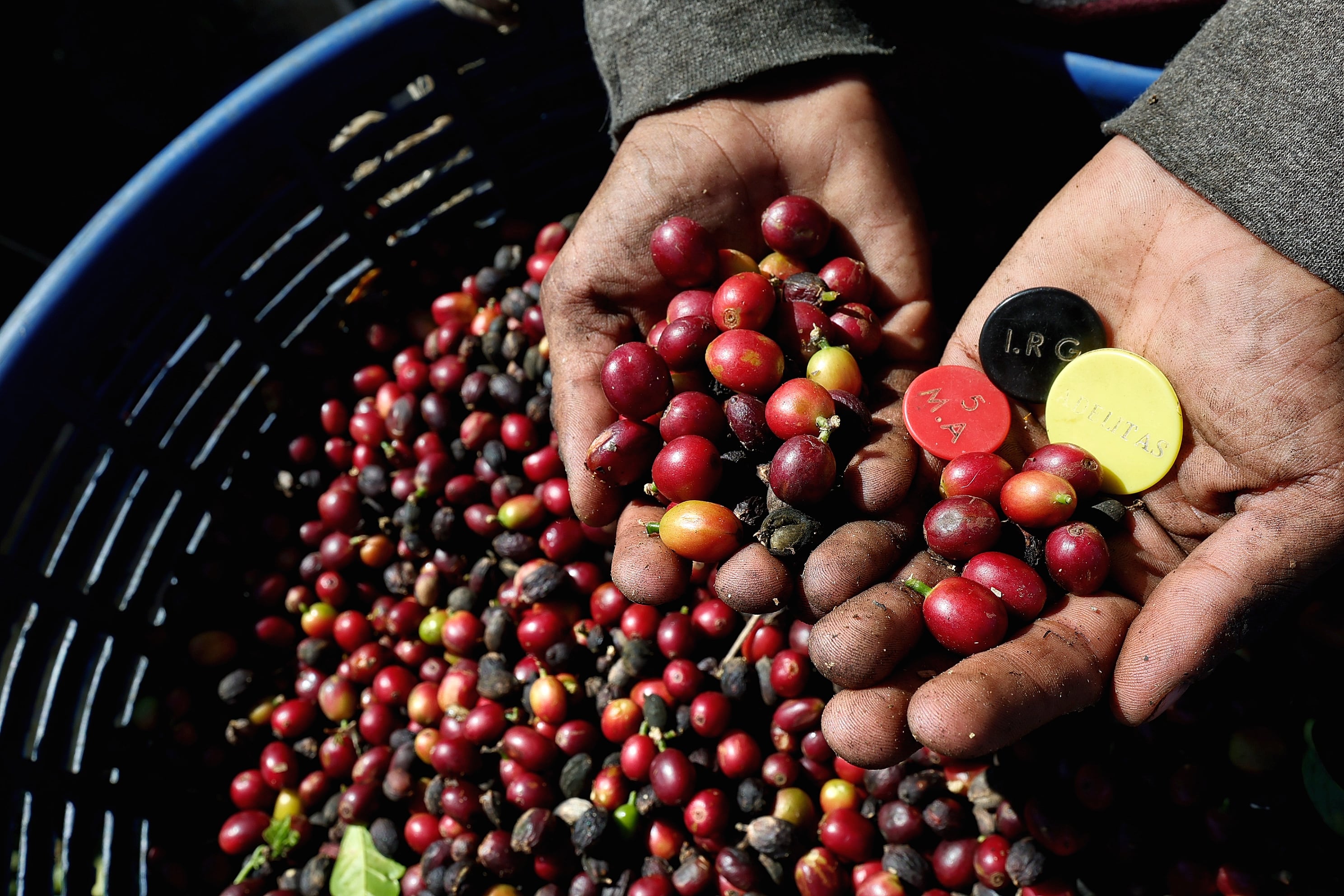
ICAFE calls for more Costa Ricans to participate
ICAFE is encouraging Costa Ricans interested in temporary work to consider joining the harvest.
Previous experience is not required for people interested in picking coffee, although workers should be prepared for outdoor conditions and use appropriate clothing.
The institute has also urged coffee producers to complete immigration and employment procedures for foreign workers well in advance to avoid delays as harvesting intensifies.
Why are so few Costa Ricans interested?
The figure of just 60 interested Costa Rican workers could reopen a broader discussion about agricultural employment in the country.
Seasonal farm work can be physically demanding, and many agricultural sectors across the world have struggled to attract domestic workers as employment patterns and expectations change.
Costa Rica is no exception.
For years, workers from neighboring countries — particularly Panama and Nicaragua — have played an important role in harvesting coffee and other agricultural products.
Their participation has become increasingly important to keeping farms operating during peak harvesting periods.
A major challenge for one of Costa Rica’s iconic industries
Costa Rican coffee is internationally associated with the country’s identity and agricultural tradition.
But behind every bag of exported coffee is a labor-intensive harvesting process that still depends heavily on workers collecting ripe cherries by hand.
This season’s numbers illustrate the scale of that challenge.
The bigger picture
With just 60 Costa Ricans showing interest while thousands of workers are needed, producers will once again depend heavily on migrant labor to bring the harvest in on time.
For an industry that helped shape Costa Rica’s economy and history, finding the people willing to collect the country’s famous coffee may now be just as important as growing it.